

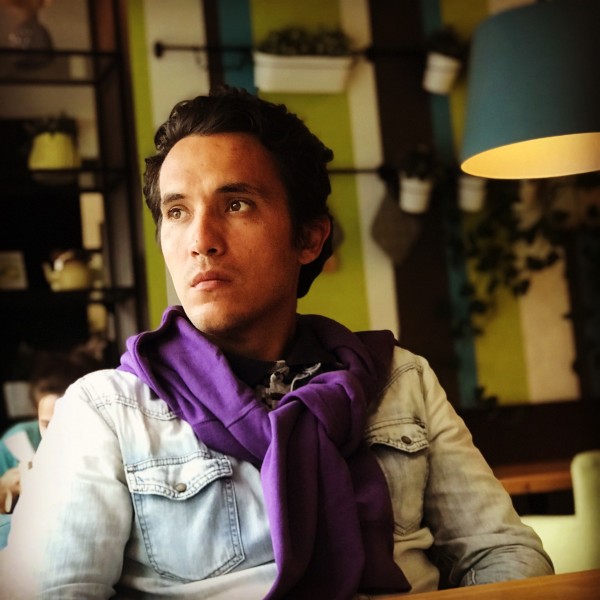
I love my job, I love to observe people and cosmos. For more than 10 years I have been engaged in research activities in the field of Vedic astrology and mathematics, as well as the study of human biorhythms.
My story as a forecaster began with finding solutions to challenges I was facing. At some point, I stopped understanding what is effective and what’s not. My actions did not lead to the desired result and the crisis period was inevitable.
At that time, I was already doing a little yoga and studying Vedic astrology and it became by salvation. Gradually, having understood the basics, and it took several years, I learned to think differently, to set priorities correctly. This knowledge helped me, and I began to share with others. Friends and acquaintances began to seek my advice.
The requests were different and over time I was presented with more and more challenging scenarios, it was crucial to find systematic solutions. The period of research has begun.
The result of my research was the creation of the author's methodology (algorithm), which is focused on people seeking development and achievement of goals, for those who want to get an accurate result without information noise and complex structures.
The Daily Celestial team and I have created a diverse product based on my knowledge. An important feature of the Daily Celestial App is an individual approach to every case. After introducing some of your data into the program, you will receive a guideline for resolving issues related to family, health, business, etc.
Using the Daily Celestial Application, you do not have to wait for a possible crisis period in business, career, or life. You will have the opportunity to receive important forecasts throughout the lifecycle of your business and company.
Also, our application shows the entire geometry of the movement of activities, from family issues to business, forecasting favorable days, and also helps to find the right time for decisive moments.
If you are facing an important or challenging decisions in you live, career, or business then the Daily Celestial Application, like no one else, can help you better and easier.
Why is the Daily Celestial App special? All the years of my research, trial and error, facing wide variety of challenges made it possible to shed light on the “blind spots” in the methodology of astrology. My goal, as a personal forecaster, is to convey knowledge to others and help achieve the personal harmony.
The Daily Celestial is a personal talisman that helps you achieve your goals.
Forecaster Timur Garipov